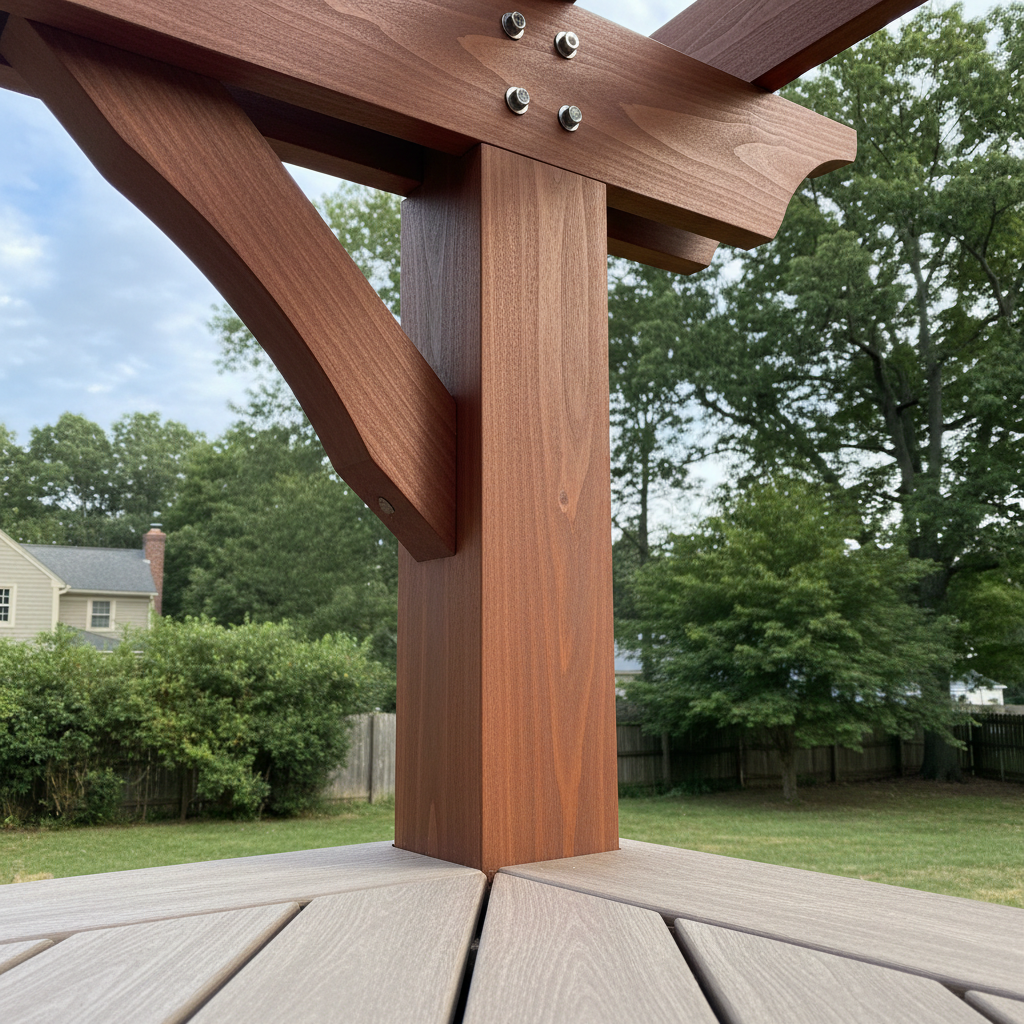
What's the real difference between a pergola and a gazebo?
Honestly, this is probably the question I get asked most often. Folks see outdoor structures and just lump 'em all together, right? But there's a big difference, and it really comes down to the roof. A gazebo, generally, has a solid, often pitched roof. It's fully covered, giving you complete protection from rain and direct sun. Think of it like a little outdoor room. A pergola, on the other hand, has an open roof structure – usually beams, rafters, or slats. It's designed to give you partial shade, define an outdoor space, and often works as a support for climbing plants like wisteria or grapevines. You definitely won't stay dry under a pergola in a typical Rhode Island downpour, but you'll get some lovely dappled shade on a sunny summer afternoon. We build both, of course, but they serve totally different purposes for your yard.
Do I need a building permit for a pergola in Providence?
Yep, you probably do. Look, I know permits can be a real pain, but they're there for good reasons, mainly safety and making sure things are built to code. In Providence, any structure over a certain size (usually 100-120 square feet, though it can vary) or one that's attached to your house will almost certainly need a permit. Even if it's freestanding, if it's substantial, the city wants to know about it. We handle all the permitting paperwork for our clients at Skyline Decks Providence, because frankly, it's just part of the job. It's always better to do it right from the start than to have the city come knocking later, trust me on that one. You really don't want to be tearing down a brand new structure because you skipped a step.
What materials are best for a pergola in our climate?
This is crucial, especially with our New England weather. You'll want something that can really stand up to the salty air, those heavy snows, and our humid summers. For wood, cedar and redwood are fantastic choices. They naturally resist rot and insects, plus they look beautiful. Pressure-treated pine is a more budget-friendly option, and it's durable, but it will need more maintenance, like regular staining or painting. Then there's composite or vinyl. These are practically maintenance-free, won't rot, warp, or splinter, and come in a ton of colors. They cost more upfront, sure, but you'll save on upkeep in the long run. We also see aluminum pergolas, which are super strong and light. It really just depends on your budget, the look you're going for, and how much time you want to spend maintaining it. I'll walk you through the pros and cons of each when we talk about your project.
How much shade will a pergola actually provide?
That's a fair question, and the answer isn't a simple percentage. It depends on a few things: how the rafters or slats are spaced, the pergola's orientation to the sun, and whether you add any extra shade elements. A basic pergola with widely spaced beams will give you dappled shade, maybe 40-60% coverage, depending on the time of day. If you want more shade, we can space the rafters closer together, add a lattice top, or install adjustable louvered panels. Another popular option is adding a retractable canopy or shade cloth. That gives you maximum flexibility – full sun when you want it, full shade when you need it. And of course, planting climbing vines on it will eventually create a beautiful, natural canopy, but that definitely takes time.
Can a pergola be attached to my house?
Absolutely, and it's a very common design choice. An attached pergola extends your living space seamlessly from your home right out into your yard or patio. It's great for creating an outdoor dining area right off your kitchen or a shaded lounge spot off a main living room. When we attach a pergola, we make sure it's properly flashed and secured to your home's structure. This prevents any water intrusion and ensures it's structurally sound. This is where experience really matters; you don't want someone guessing how to tie into your existing roofline or siding. We've done plenty of these around College Hill and throughout the East Side, so we know the drill.
How long does it take to build a pergola?
The timeline varies quite a bit depending on the size, complexity, and materials. A smaller, simpler freestanding wood pergola might only take a few days once we actually start construction. A larger, custom-designed pergola with intricate details, an attached structure, or special features like built-in lighting or heaters could take a week or two. And that's just the build time. You also need to factor in design consultations, material ordering, and, critically, permit approval. Permit times with the city can sometimes add a few weeks to the overall project schedule, especially during busy seasons. We'll give you a clear estimated timeline upfront, so you know what to expect every step of the way.
What kind of maintenance does a pergola need?
This depends heavily on the material you choose. A cedar or redwood pergola will benefit from periodic cleaning and re-sealing or staining every few years to protect the wood and keep its color looking good. If you opt for pressure-treated wood, you'll definitely want to keep up with staining or painting to prevent weathering and rot. Composite, vinyl, or aluminum pergolas are the low-maintenance kings. Usually, a simple wash with soap and water once a year is all they need to look fresh. Regardless of material, it's a good idea to inspect your pergola annually for any loose fasteners, damage from storms, or signs of wear. Catching small issues early can prevent bigger problems down the road.
Will a pergola add value to my home?
In most cases, yes, it will. An attractive, well-built pergola enhances your outdoor living space, making your yard more functional and appealing. It creates a defined area for entertaining, relaxing, or dining, which is a big draw for potential buyers. Good landscaping and outdoor features are increasingly important to homeowners, especially in neighborhoods where outdoor space is at a premium. It shows that your home is well-maintained and thoughtfully designed. While it might not add dollar-for-dollar what a kitchen renovation would, it definitely contributes to curb appeal and perceived value, making your home more desirable on the market. It's an investment in your lifestyle now and your home's future value.