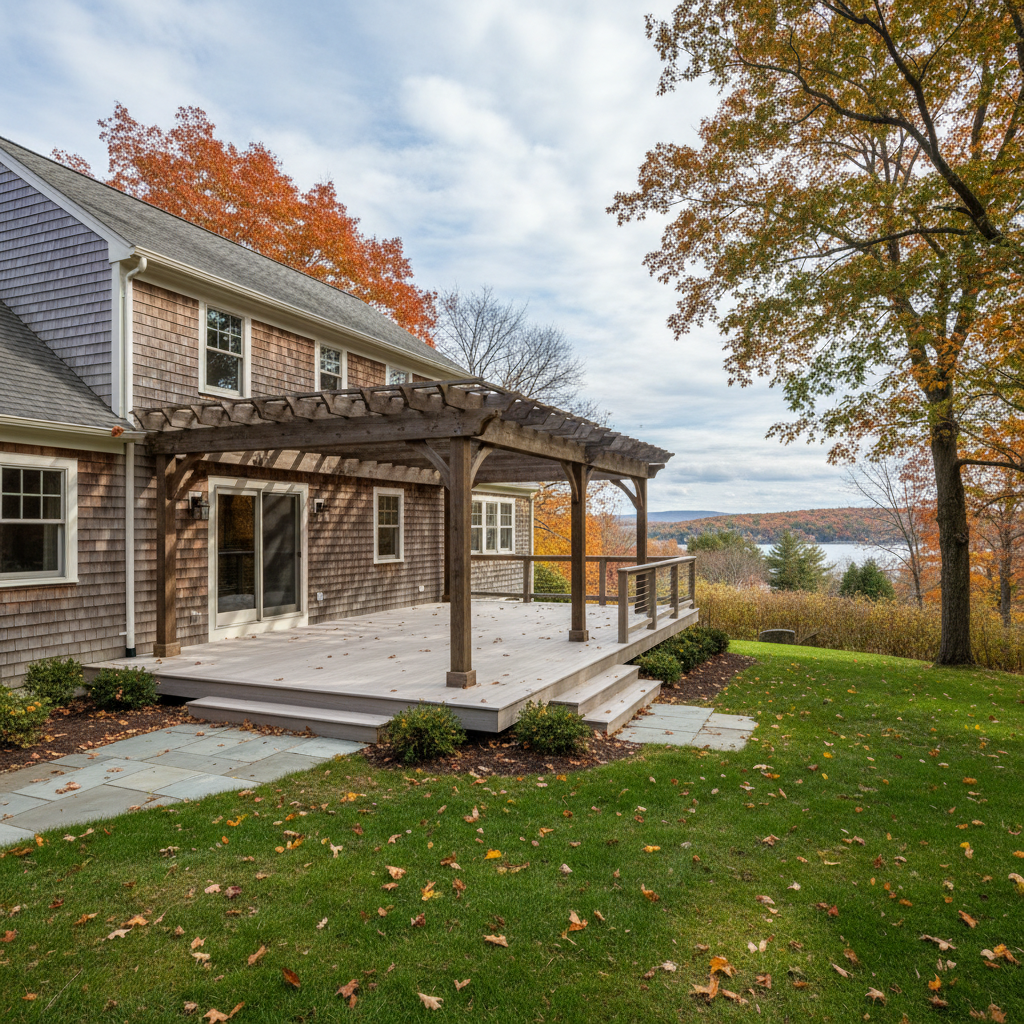
So, you're picturing a pergola. Maybe it's for some shade over your patio, a perfect spot for climbing roses, or just to mark off an outdoor living area. Good call. A well-built pergola can truly change how your backyard feels here in Providence. But when's the best time to get it built, and what should you keep in mind with our famous Rhode Island weather?
When to Book Your Pergola Build
Honestly, you could build a pergola almost any time of year, but some seasons definitely work out better than others. For us, the sweet spot usually lands between late spring and early fall. Why's that?
- Spring (April-June): This is prime time. The ground's thawed, those heavy March rains are typically behind us, and the temperatures are just right for working. You'll get your pergola up and ready just in time to enjoy it all summer long. Plus, if you're planning on planting vines, spring is when they're usually ready to go in the ground.
- Summer (July-August): Still a good option, but you'll run into the heat and humidity. We're used to it, sure, but it can definitely slow things down a bit. Also, summer is our busiest time for decks and pergolas, so you might face a longer wait for scheduling. If you want it done in the thick of summer, best to plan ahead.
- Fall (September-November): Another fantastic window. The air gets crisp, the leaves start turning, and that summer rush has usually eased up a little. You can often get a project going quicker. Building in the fall means it's all set for next spring, and you can even cozy up under it with some outdoor heaters during the cooler months.
- Winter (December-March): This one's the trickiest. While we absolutely can build in winter, it's not ideal. Frozen ground makes digging footings a real pain, and working with cold, wet materials isn't exactly a blast for anyone. On top of that, you're fighting snow, ice, and bitter winds. We've certainly done it, especially for smaller, simpler structures, but it's generally best to wait unless you have a really specific reason not to.
Weather Conditions That Really Matter
When we're on a job, we don't just glance at the calendar; we're glued to the forecast every single day. Here's what can affect a pergola build:
- Rain: A light drizzle? We can usually keep working through that, especially if we're just cutting and putting things together. Heavy, steady rain? That'll stop us cold. It makes everything slick and unsafe, and it's no good for working with wood or concrete. And digging in mud? A total nightmare.
- Wind: This is a big deal, especially when we're trying to raise posts or set beams. A strong gust can be dangerous, turning a long piece of lumber into a giant sail. Our top priority is always safety, so if the wind's whipping off Narragansett Bay, we might have to hit pause.
- Temperature: Extreme cold makes materials brittle and tools harder to handle. Extreme heat can be tough on the crew, but we manage with plenty of water and breaks. For concrete footings, though, we need temperatures to stay above freezing for a certain amount of time to make sure it cures right. That's why winter concrete work gets complicated.
- Ground Conditions: This is huge. If your yard tends to get swampy after a good rain, like some of those low-lying spots near the Providence River, we might need a few dry days before we can even start digging. We really need stable ground for those footings.
Keeping Your Pergola Looking Great Year-Round
Once your beautiful new pergola is up, you'll want it to stay looking fantastic for years to come. Here's how:
- Regular Cleaning: Just like your deck, your pergola will get dirty. Dust, pollen, bird droppings, and even mildew can build up. A simple wash with a hose and a soft brush, maybe a little mild soap, once or twice a year will do wonders.
- Staining/Sealing: If your pergola is made of wood, you absolutely need to protect it. A good quality stain or sealer will shield it from UV rays, moisture, and rot. How often? It depends on the product and how much sun and rain it gets, but usually every 2-3 years. We can suggest products that hold up well to our New England climate.
- Check for Damage: Do a quick once-over every spring and fall. Look for any loose fasteners, cracked wood, or signs of insect activity. Catching small problems early can save you from bigger, more expensive repairs down the road.
- Vines & Plants: If you've got climbing plants on your pergola, they're gorgeous, but they need some managing. Make sure they're not growing into joints or causing too much moisture to sit against the wood. Prune them back when they need it.
- Winter Prep: For most pergolas, winter doesn't demand much. If you have any removable shade sails or fabric canopies, take those down to prevent snow and ice damage. Otherwise, your sturdy structure is built to handle our Providence winters.
Building a pergola is an exciting project, and getting the timing right can make all the difference for a smooth installation and a structure that lasts. We've built plenty of these around the city, from the East Side to Elmhurst, and we really know what it takes to do it right in our local conditions. If you're ready to chat about adding a pergola to your home, give us a call at Skyline Decks Providence. We'd be happy to walk you through the process and help you plan your perfect outdoor space.