Deck Painting vs. Staining: What's the Real Difference?
Alright, let's get straight to it. This is probably the most common question I get asked when folks call me up about their decks. You've got options, and they're not interchangeable. Painting and staining both protect your deck, but they do it in totally different ways and give you completely different looks.
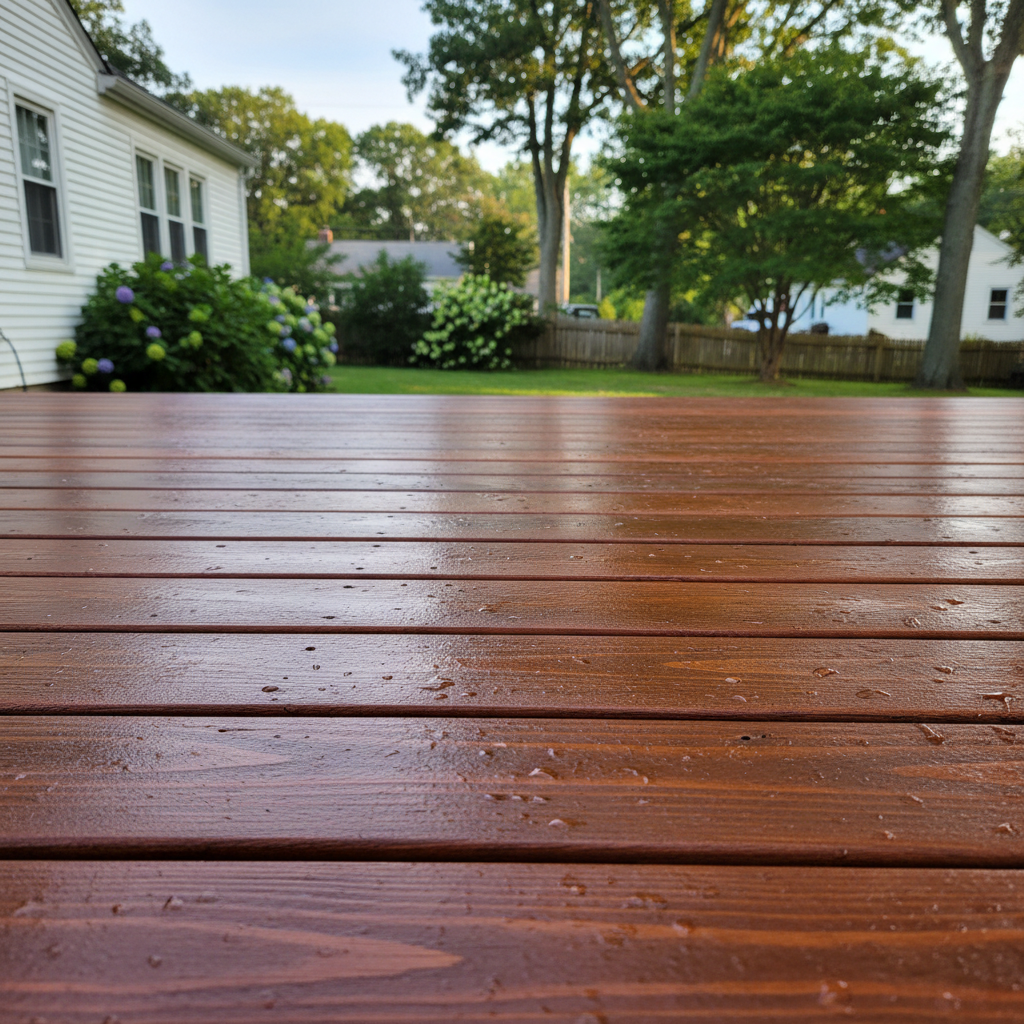
Think of paint like a thick coat. It sits on top of the wood, forming a solid, opaque layer. It completely covers the wood grain. Stains, on the other hand, are more like a dye. They penetrate the wood fibers. Depending on the type of stain – clear, semi-transparent, or solid – you'll still see some, most, or none of the wood grain underneath. Solid stains are the closest you'll get to paint in terms of coverage, but they still let a bit of that wood texture show through, unlike paint which just smooths everything over.
So, the big difference? Aesthetics and how they interact with the wood. Paint hides; stain enhances or colors while letting the wood's natural character show, at least partially.
How Long Can I Expect Paint or Stain to Last in Rhode Island?
This is where things get tricky, because there's no single answer. It depends on a bunch of factors: the product quality, how well the deck was prepped, and, crucially, our crazy New England weather. Here in Providence, we get everything from freezing winters with snow and ice, to humid summers, and then those wet, windy fall and spring days. That's a lot for a deck finish to handle.
Generally, a good quality deck paint, properly applied, might give you 5-10 years before it needs a refresh. Paint tends to peel when it fails, especially on horizontal surfaces where water can sit. Stains are a bit different. A semi-transparent stain might last 2-4 years, while a solid stain could go 3-7 years. Stains typically fade or wear down, rather than peeling, which makes reapplication a bit easier.
I've seen decks on the East Side, exposed to full sun all day, need restaining sooner than a shaded deck in Elmhurst. It's all about exposure.
Do I Need to Strip My Old Finish Before Repainting or Restaining?
Short answer: usually, yes. Long answer: it depends on the condition of the old finish and what you're putting on next. If your old paint is peeling, flaking, or chipping, you absolutely have to strip it. Trying to paint over failing paint is like building a house on a shaky foundation – it's just going to fail again, probably sooner. You've got to get down to a sound, clean surface.
If you're going from a solid stain to another solid stain, and the old one is in decent shape (just faded, not peeling), you might get away with a thorough cleaning and light sanding. But if you're going from paint to stain, or a solid stain to a semi-transparent one, you'll need to strip it back to bare wood. Stains need to penetrate, and they can't do that if there's a barrier of old paint or solid stain on top.
Stripping is a pain, I won't lie. It's messy, it's time-consuming, and it's physically demanding. But it's non-negotiable for a lasting finish. Don't skip this step if you want your deck to look good and stay protected for years.
What's the Best Way to Prep My Deck for Painting or Staining?
Prep work is 90% of the job, seriously. You can buy the most expensive paint or stain on the market, but if you slap it on a dirty, unprepared deck, it's going to fail. Here's the rundown:
- Clean it: First, sweep off all loose debris. Then, you'll need a good deck cleaner. I usually recommend a product specifically designed for decks that can tackle mildew, dirt, and graying. Apply it, let it sit, and then scrub or power wash it off. Be careful with power washers – too much pressure can damage the wood fibers, especially on older decks.
- Rinse thoroughly: Make sure all the cleaner is gone. Any residue can mess with the finish's adhesion.
- Dry completely: This is critical. Your deck needs to be bone dry. Give it at least 2-3 sunny, dry days after cleaning before you even think about applying anything. If you apply finish to damp wood, you're trapping moisture, which leads to peeling and mildew.
- Sand it: Even if you stripped it, a light sanding will smooth out any rough spots, open up the wood grain for better stain penetration, and help with adhesion. Use 60-80 grit sandpaper.
- Inspect and repair: Replace any rotted boards, tighten loose screws, hammer down popped nails. You want a solid surface.
It's a lot of work, but trust me, it's worth it. It's the foundation for a beautiful, long-lasting finish.
Is There a 'Best Time' of Year to Paint or Stain a Deck in Providence?
Absolutely, there is. And it's not when you're thinking about using your deck the most! The ideal conditions for painting or staining are dry, mild, and not too sunny. That means usually late spring or early fall here in Rhode Island.
You want temperatures between 50-85°F (10-30°C) and low humidity. Avoid direct sunlight if you can, especially when applying stain, because it can dry too fast and create lap marks. Don't apply if rain is in the forecast within 24-48 hours. And definitely don't do it if temperatures are going to drop below freezing overnight, even if it was warm during the day. The finish needs time to cure properly.
So, those beautiful, warm summer days? Not always the best. The heat can make the product dry too quickly, leading to poor penetration and adhesion. Early June or late September/early October are often perfect around here.
Can I Change My Deck From Paint to Stain, or Vice Versa?
Yep, you can, but it's not always easy. Going from paint to stain is the harder of the two. As I mentioned, stain needs to penetrate the wood. If your deck is currently painted, you'll need to strip all that paint off down to bare wood. This is a big job, often requiring chemical strippers and a lot of elbow grease. If you don't get all the paint off, the stain won't absorb evenly, and you'll end up with a splotchy mess.
Going from stain to paint is generally easier. If your deck currently has a solid stain, and it's in good, non-peeling condition, you can usually clean, sand, and prime it before painting. If it's a semi-transparent or clear stain, you'll still need to clean and sand, but priming is essential to ensure the paint adheres well and covers evenly.
My advice? Think long and hard before making a big switch like that. It's a significant undertaking. But if you're committed to a new look, it's definitely achievable with the right prep.
Look, maintaining a deck is work, there's no way around it. But it's worth it to protect your investment and keep your outdoor living space looking great. If you've got questions or need a hand with your Providence deck, you know who to call. We've helped plenty of homeowners, from Federal Hill to the East Side, get their decks looking sharp at Skyline Decks Providence.